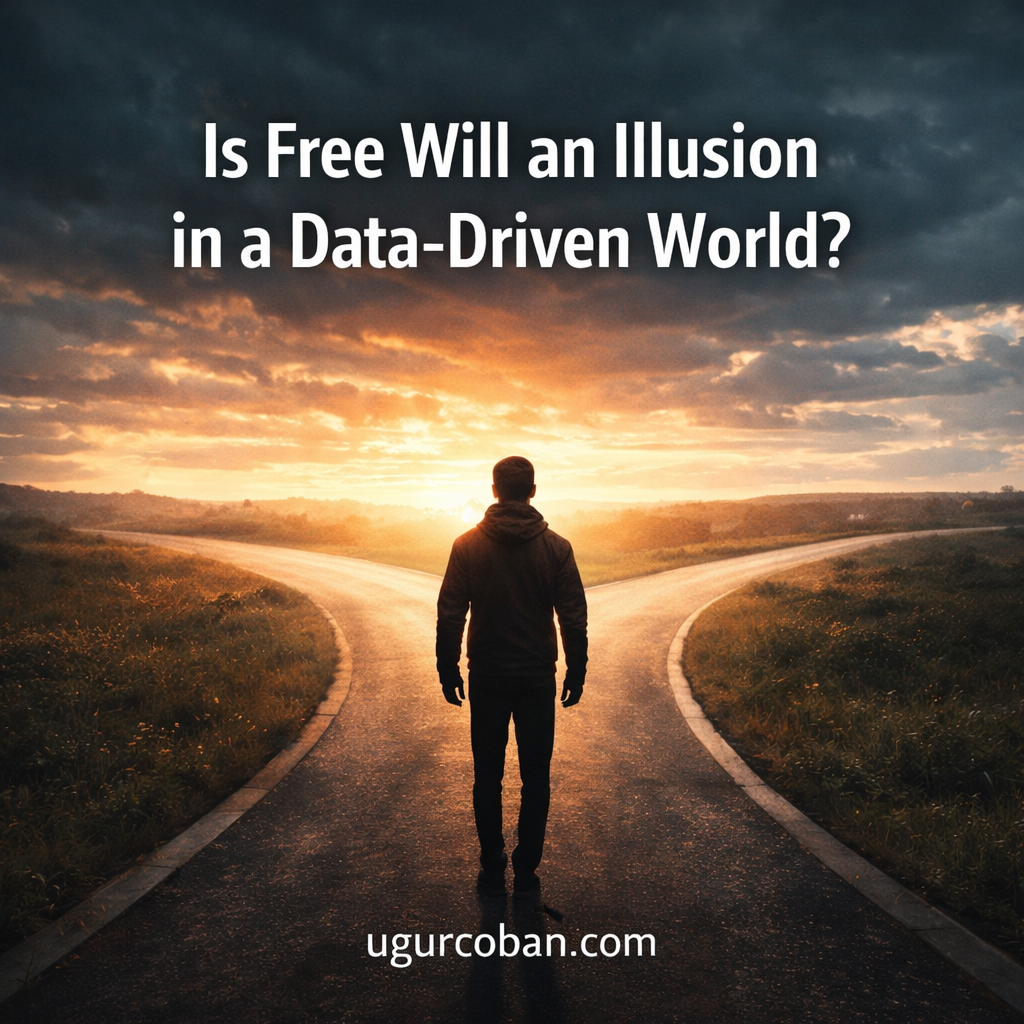
Free will feels real, but modern neuroscience and data-driven systems suggest it may be more constrained than we think. This article explores how decisions are formed, how predictability shapes behavior, and what remains of human agency in an AI-influenced world. Understanding free will today means redefining control, not abandoning it.
Tag: neuroscience
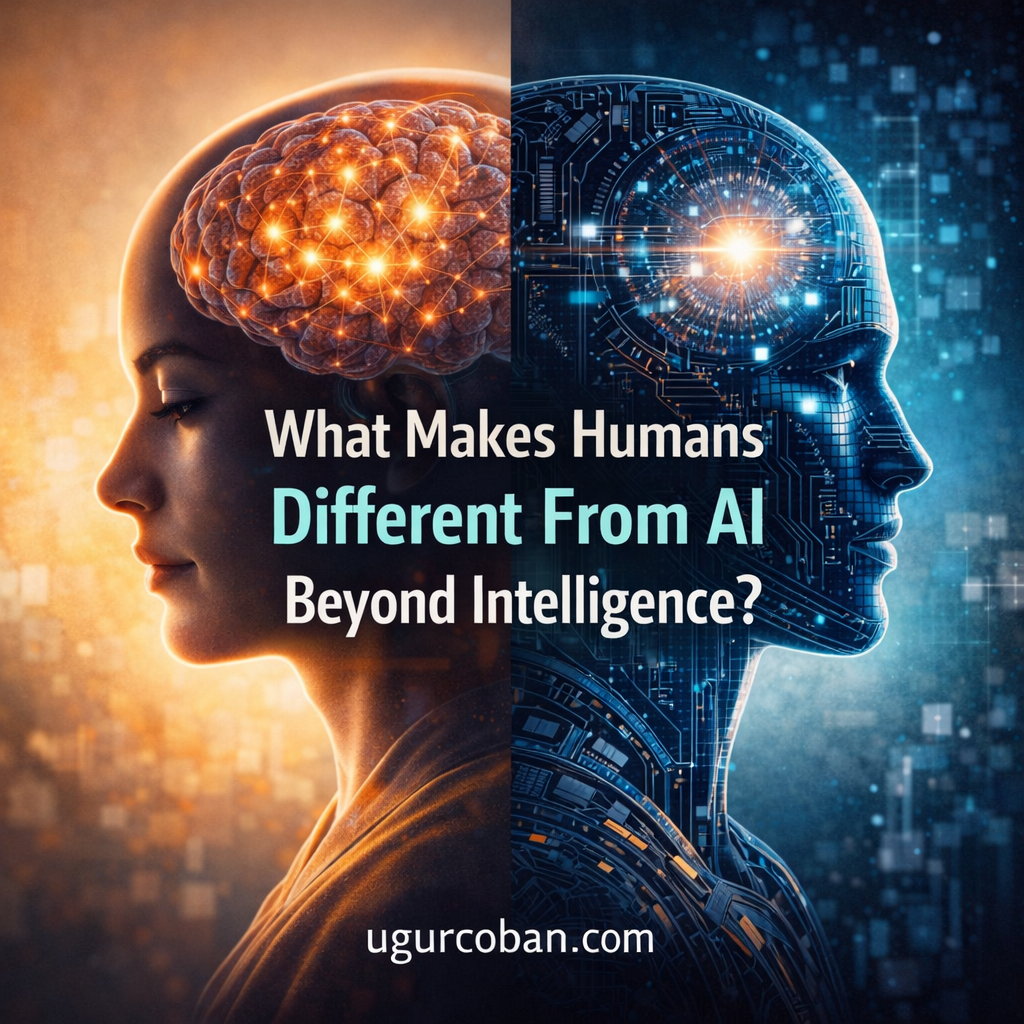
What Makes Humans Different From AI Beyond Intelligence?
AI is rapidly closing the gap in intelligence, but intelligence alone may not define what it means to be human. This article explores the deeper differences between humans and machines, from subjective experience and embodiment to meaning, emotion, and identity. As AI evolves, understanding these distinctions becomes critical for redefining human value in a data-driven world.
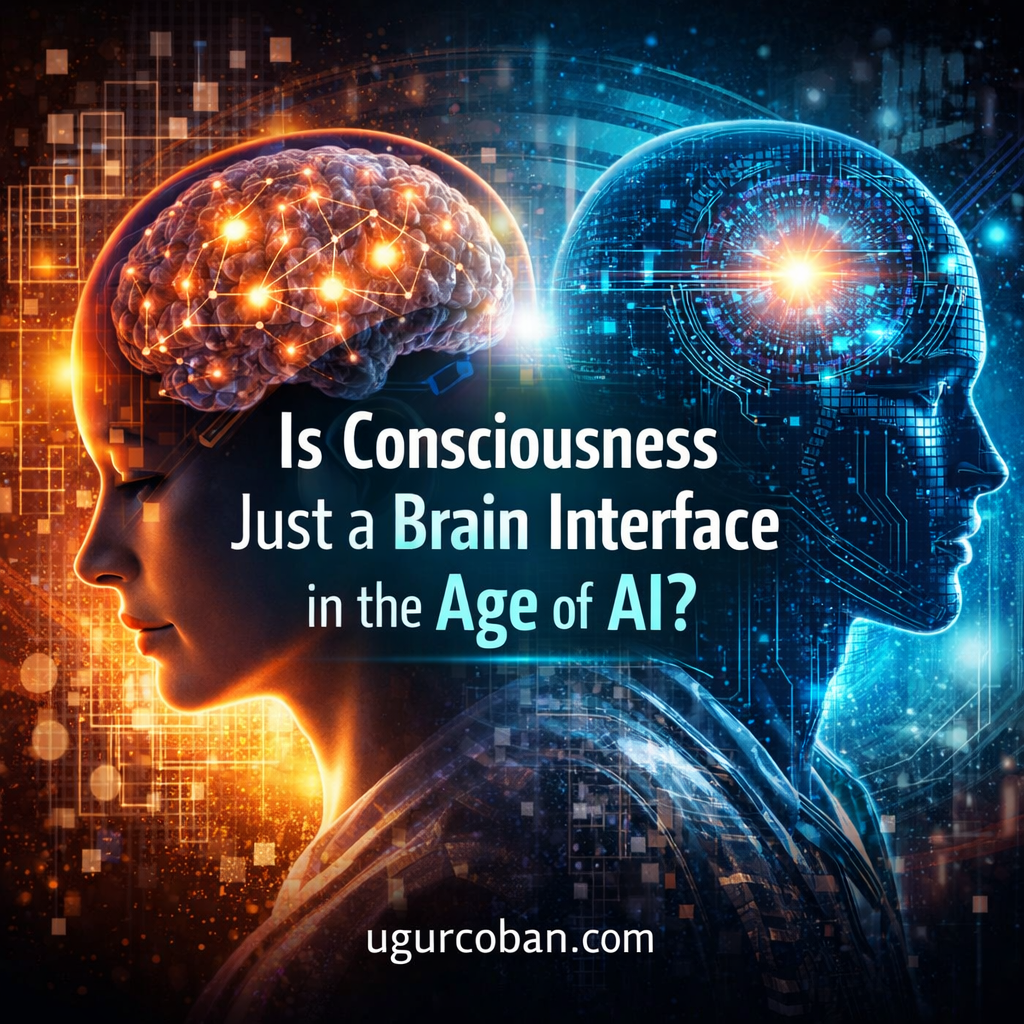
Is Consciousness Just a Brain Interface in the Age of AI?
What if consciousness is not the core of who we are, but a functional interface built by the brain to simplify reality? This article explores how predictive processing, AI systems, and modern neuroscience challenge our assumptions about self, intelligence, and perception. As machines begin to mirror human cognition, the line between thinking and experiencing becomes increasingly blurred.