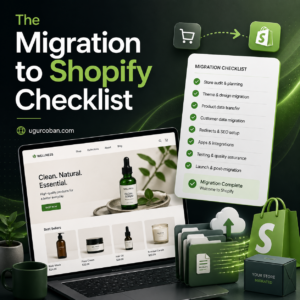
Running an online store is no longer just about selling products. Modern e-commerce growth depends on data, automation, and scalable infrastructure. Shopify has evolved into a powerful commerce and analytics platform that helps brands track behavior, optimize conversions, and scale globally. Ready to discover how Shopify turns e-commerce operations into a data-driven growth engine?
In today’s dynamic digital landscape, the confluence of e-commerce, cutting-edge analytics, and a robust platform is the trifecta for sustainable online success. For businesses navigating the complexities of digital commerce, Shopify stands out not just as a hosting solution, but as a comprehensive ecosystem designed for rapid growth and data-driven decision-making. This article explores the paramount advantages of utilizing Shopify, particularly focusing on its seamless integration with e-commerce operations and its powerful analytics capabilities, making it an indispensable tool for marketers and entrepreneurs alike.
The Integrated E-commerce Powerhouse
One of Shopify’s most significant competitive edges is its all-in-one approach to e-commerce. Unlike platforms that require extensive third-party integration for core functionality, Shopify provides everything a business needs to launch, manage, and scale an online store right out of the box. This inherent integration is critical for maintaining efficiency and a unified user experience.
1. Unparalleled Ease of Use and Speed to Market
Shopify is renowned for its intuitive interface and low barrier to entry. Merchants, even those without extensive technical or coding expertise, can set up a professional, mobile-responsive online store in a matter of hours. This speed to market is a crucial advantage in the fast-paced e-commerce world, allowing businesses to test product ideas and capture opportunities quickly. Furthermore, Shopify handles all the technical heavy lifting—security, hosting, and regular updates—freeing up valuable time for merchants to focus on what truly drives revenue: marketing, product development, and customer engagement.
2. Content and Commerce in Harmony (SEO & Conversions)
Shopify brilliantly merges content creation with commerce through its built-in blogging platform. This seamless integration allows merchants to effortlessly turn engaged readers into paying customers. By publishing SEO-friendly blog posts—which inherently come with customizable meta-tags, clean URL structures, and mobile optimization—you can attract qualified organic traffic actively searching for information related to your products.
Crucially, you can embed “Buy Now” buttons and link directly to products within your content, creating a powerful, conversion-focused content strategy. A well-executed blog post on “The 10 Best Running Shoes” can easily transition the reader directly to the product page to complete a purchase, significantly reducing the friction in the customer journey and boosting your store’s overall conversion rate.
Diving Deep with Robust Analytics
In the realm of MarTech, the saying “You can’t improve what you don’t measure” is gospel. Shopify excels here by providing sophisticated, yet accessible, built-in analytics and reporting tools that are tailor-made for e-commerce.
3. Actionable Insights from Day One
Shopify Analytics offers immediate, high-value metrics without the need for complex external setups. Merchants gain clear visibility into crucial performance indicators, including:
- Real-time sales dashboard: Instant understanding of current store activity.
- Customer behavior reports: Insights into which products are viewed, added to the cart, and purchased.
- Financial reports: Detailed breakdowns of sales, taxes, profit margins, and payment methods.
- Acquisition reports: Clear data on which channels (social media, search, email, direct) are driving the most valuable traffic and conversions.
This clarity enables data-driven decision-making. For instance, identifying a low conversion rate on a specific product page, as highlighted by the analytics, allows a merchant to quickly pivot their strategy, perhaps by optimizing product imagery or improving the call-to-action (CTA).
4. The Power of Seamless External Analytics Integration
While Shopify’s native tools are excellent, its platform structure also allows for a highly effective integration with leading external analytics tools, most notably Google Analytics (GA4). Shopify is structured to automatically pass crucial e-commerce events—such as view_item, addtocart, begin_checkout, and purchase—to Google Analytics. This is paramount for advanced MarTech strategies:
- Comprehensive Customer Journey Mapping: By combining Shopify’s internal sales data with GA4’s detailed behavioral tracking, marketers can map the entire customer journey, from the first touchpoint (e.g., a specific blog post) to the final sale.
- Advanced Segmentation and Audience Building: The detailed data flow allows for the creation of precise customer segments (e.g., “High-Value Blog Readers Who Abandoned Cart”). These segments are invaluable for targeted advertising campaigns on Google Ads or social platforms, ensuring marketing spend is focused on the most profitable audiences.
- Marketing ROI Calculation: Accurate revenue attribution, facilitated by the clean data from Shopify and GA4, makes it possible to precisely calculate the Return on Investment (ROI) for every marketing channel and campaign, justifying budget allocation and optimizing future strategies.
In conclusion, for any MarTech specialist or e-commerce business seeking to maximize both operational efficiency and marketing efficacy, Shopify is an undeniable asset. It simplifies the technical framework while providing a sophisticated, integrated platform for driving traffic, enhancing conversions, and gaining the deep analytical insights necessary to stay ahead in a competitive market. Leveraging Shopify means building a scalable e-commerce presence that is inherently data-aware and ready for future growth.