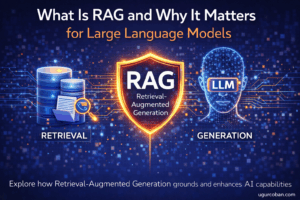
AI becomes a real intelligence layer when it moves beyond predictions and starts interpreting context, learning continuously, and guiding decisions across systems in real time.
Artificial intelligence has moved far beyond being a standalone tool that answers questions or automates simple tasks. Today, AI is evolving into a true intelligence layer, embedded directly into digital products, decision systems, and business infrastructure. This shift changes not only how technology works, but also how organizations think, act, and compete.
At its core, an intelligence layer is not about prediction alone. It is about continuous interpretation, learning, and decision support, operating across data sources, channels, and moments in real time.
From Tools to Cognitive Infrastructure
Early AI systems were reactive. They waited for inputs, processed predefined rules, and returned outputs. Modern AI systems operate differently. They sit between raw data and business decisions, acting as a cognitive intermediary.
Instead of asking “What happened?”, intelligence-layer AI focuses on “What does this mean, and what should happen next?”
This distinction is critical. Intelligence layers don’t replace existing systems; they connect and enhance them.
The Role of Context in Intelligence
Intelligence without context is just computation. A real intelligence layer continuously builds context by combining:
- Historical behavior
- Real-time signals
- Environmental factors
- User intent and momentum
For example, a single click is meaningless on its own. But when combined with time of day, device, past purchases, and content interaction, it becomes a probabilistic signal of intent. AI turns fragmented signals into actionable understanding.
Learning Loops Instead of Static Models
Traditional analytics systems rely on fixed models and periodic updates. An intelligence layer operates through learning loops. Every action refines the system’s understanding. Every outcome feeds back into future decisions.
This creates a dynamic system where AI does not merely execute logic but adapts strategy over time. The more it is used, the more aligned it becomes with real-world behavior.
Intelligence as a Shared Layer
One of the defining traits of an intelligence layer is reusability. Insights are not locked inside individual tools. The same intelligence can inform:
- Marketing personalization
- Product recommendations
- Fraud detection
- Pricing strategies
- Customer support prioritization
This shared layer eliminates data silos and ensures consistent decision-making across teams.
Trust, Explainability, and Control
As AI gains influence, explainability becomes essential. A real intelligence layer must answer not only what it decided, but why. This transparency builds trust and allows humans to remain in control.
Successful systems treat AI as a decision partner, not an opaque authority. Human oversight, feedback mechanisms, and clear confidence scoring are what make intelligence usable at scale.
The Strategic Shift
Organizations that adopt AI as an intelligence layer stop thinking in campaigns, dashboards, or isolated automations. They begin thinking in signals, probabilities, and adaptive systems.
This is the moment where AI stops being a feature and becomes infrastructure.